
In nature, ‘pods’ are integrated, yet self-contained units that encompass all the necessary parts to mature into a complete functioning plant. These small pods contain all the genetic information and nutrients needed to nurture and grow an entire plant over time. Nature’s successful pod design inspired the format of NAMEPA’s educational PODS.
PODS: Guam features three unique ecosystems and outlines the habitats and adaptations, environmental importance, the changing climate and human impacts, and the role of shipping and navigation.
This community educational program was developed by NAMEPA and was made possible with funding from the National Fish and Wildlife Foundation.


 Guam is a captivating island in the Micronesia region that is steeped in history and culture. The indigenous Chamorro people, with a history spanning over 4,000 years, have a strong connection to the island’s environment. Their traditions and language continue to influence Guam’s cultural landscape. Spanish colonization in the 17th century and the presence of the United States since 1898 have contributed to a unique cultural blend. Beyond its historical significance, Guam’s natural beauty is truly remarkable. From beautiful rainforests to stunning beaches and vibrant coral reefs, the island showcases an awe-inspiring array of natural beauty. Towering cliffs offer breathtaking views, enhancing Guam’s stunning landscape. This tropical paradise embraces a diverse culture and guarantees an unforgettable journey through history, nature, and tradition.
The Chamorro sailing vessels, also known as proas, were a remarkable aspect of their culture, impressing early European visitors to the Mariana Islands. These visitors, including infamous European navigators, consistently described the Chamorro proa as the best of its kind, referring to it as the “flying proa” due to its speed and agility. The Chamorros had various names for their proas based on size and function, such as the largest called sakman, a slightly smaller lelek, medium-sized dudings, and the smallest sailing proa. Any canoe equipped with a sail was termed ladjak, while the same-sized craft without a sail was called panga, and the smallest reef canoe was galaide’.
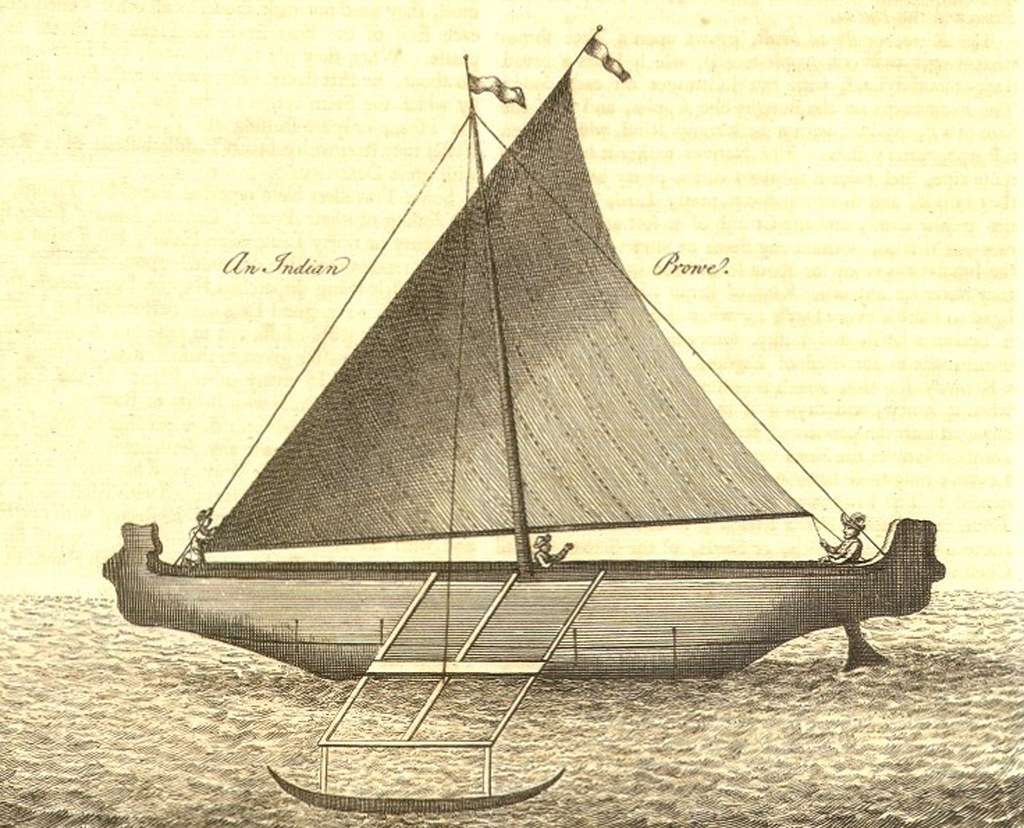
The outrigger canoe, a sophisticated design, reflected the spirit and creativity of the Chamorro people. Anthropologist Laura Thompson noted that the “flying proa” exemplified that the ancient Chamorros were not just practical gatherers, farmers, and toolmakers, but also spontaneous and playful.
Island environments in the Pacific, with their varying wind speeds, ocean currents, star visibility, and other natural indicators, played a crucial role in the navigation and settlement of Oceania. The earliest European reference to the proa likely came from Ferdinand Magellan’s encounter with Guam in March 1521, where he noted the swift, seemingly flying small sails approaching his ship.
Chamorro proas amazed Europeans due to their construction and the Chamorro’s adeptness in maneuvering them. The proas were noted for their narrow, elongated build, counterweight system to prevent capsizing, and lateen sails made of delicately woven palm leaves. These canoes, capable of sailing close to the wind and venturing miles offshore even in rough seas, were easily righted and bailed out if capsized.
However, by the late seventeenth century, Spanish colonization and missionary efforts led to the decline of the proa’s construction and intricate engineering details. This decline was part of a broader effort to control and demobilize the Chamorro people, compounded by introduced diseases and warfare that decimated the population.
Today, Chamorro seafaring is viewed as a symbol and inspiration for modern sustainability initiatives, and remains a proud pillar of Chamorro and Pacific Islander identity.
Coastal Habitats
Open Ocean
Coming Soon!